
School ensembles are where music truly comes to life. They take the skills pupils develop in lessons and transform them into shared experiences that build confidence, teamwork, and joy.
At Shropshire Music Service (SMS), we believe that every child should have the chance to play and perform as part of a group. Our School Ensembles Programme makes that possible for schools of every size and setting.
An ensemble can take many forms, from a choir or recorder group to a full orchestra.
Some schools start small, with a lunchtime ukulele club or beginner string group, while others already have well-established bands looking for new inspiration.
Whatever stage your school is at, we can help you build, develop, or strengthen your ensemble provision.
Our experienced tutors can lead rehearsals directly or work alongside your teaching staff to create sustainable, ongoing ensembles that fit into the rhythm of school life.
Sessions can take place before or after school, at lunchtime, or within the school day.
We provide flexible models that work with your space, timetable, and staffing.
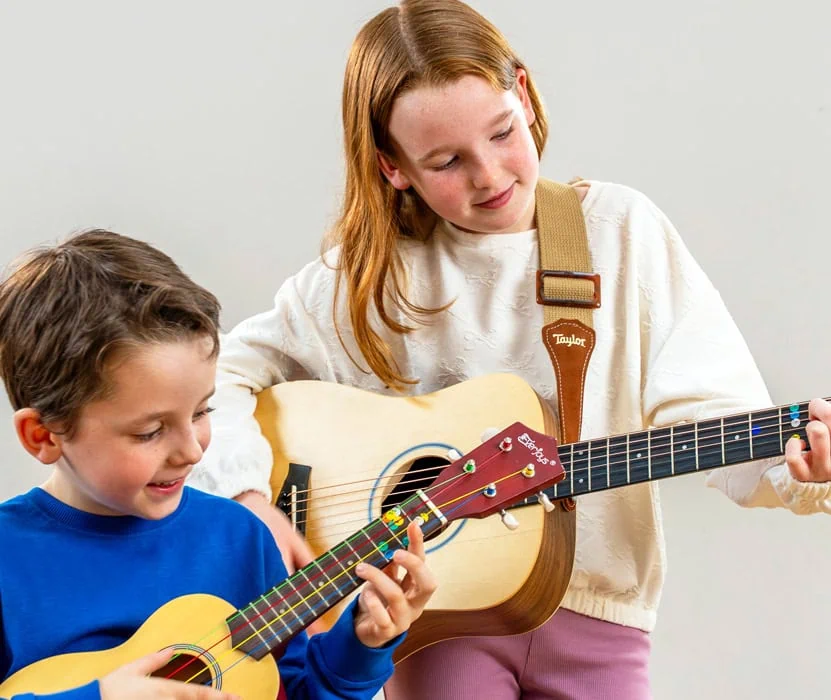
Beyond the practical logistics, ensembles bring enormous educational value.
Pupils learn to listen, cooperate, and respond to others – essential skills that go beyond music. They develop discipline, patience, and a sense of responsibility to the group.
For many, rehearsals become a highlight of the week: a place where they can relax, have fun, and experience the satisfaction of making something beautiful together.
Performing as part of an ensemble also builds confidence and resilience.
Pupils experience the excitement of preparing for a concert, learning their part, and performing in front of an audience.
That moment of applause is often transformative.
Even the quietest pupils find their voice, and their pride in contributing to a shared performance often carries over into other areas of school life.
For schools, ensembles enhance the wider culture of creativity and celebration.
They strengthen community spirit, bringing staff, families, and pupils together at concerts, assemblies, and open days.
Thinking about bringing more music into your school?
Contact us to arrange a visit from our friendly team. We’ll come to your school, answer your questions, and show how we can help make music a vibrant part of your pupils’ learning.
Music comes alive when it’s shared.
Through school ensembles, pupils experience the thrill of playing, singing, and performing together, developing confidence, teamwork, and a deep sense of belonging.
Whether your school is starting its first choir or building a full orchestra, Shropshire Music Service (SMS) offers the expertise and support to make it happen.
Here are answers to the questions schools most often ask about creating and running ensembles.
Almost any combination of pupils and instruments can form an ensemble. The key is finding the right fit for your school’s interests, resources, and timetable. Many schools start with a choir, a recorder group, or a beginner instrumental ensemble, as these are easy to organise and open to pupils of all abilities.
As confidence grows, schools often expand to string groups, wind or brass bands, ukulele clubs, percussion ensembles, or even rock or pop groups. We also help schools set up orchestras, chamber music groups, and cross-year projects that bring younger and older pupils together.
Our tutors will work with you to identify what’s achievable, help you source or adapt suitable repertoire, and plan performances that motivate pupils to keep learning. The goal is to create a group that reflects your school’s identity and gives pupils something they can be proud to belong to.
Not at all. Many schools begin with little formal musical expertise among staff yet go on to build thriving ensembles. While it’s helpful to have someone on staff who enjoys music, SMS provides all the professional support you need.
We can supply a dedicated ensemble leader or conductor, work alongside your existing staff to build confidence, or offer mentoring and training so your teachers can eventually lead the group independently. Our tutors bring years of experience directing choirs, bands, and orchestras, and they know how to create sessions that are structured, inclusive, and enjoyable for everyone.
We’ll also provide practical guidance on rehearsal management, choosing repertoire, balancing ability levels, and planning performances. In time, your teachers can take ownership of the ensemble, ensuring it becomes a sustainable and integral part of school life.
Most school ensembles rehearse once a week, usually for 30 to 60 minutes, depending on the age and experience of the pupils. Sessions can take place before school, during lunch, or after lessons, whichever works best for your timetable.
Some schools also schedule intensive rehearsals before big performances, such as concerts, assemblies, or local festivals. Our tutors help plan a balanced schedule that maintains momentum while keeping things manageable for both staff and pupils.
For new groups, we often recommend starting small – shorter rehearsals with simple, engaging pieces – to help pupils build enthusiasm and focus. As confidence grows, rehearsal lengths and complexity can increase naturally. The important thing is consistency and a sense of shared purpose: every rehearsal should feel like a step toward something exciting.
The benefits are wide-reaching, both musically and personally. Ensemble playing develops listening, coordination, concentration, and teamwork – essential skills for success in all areas of learning. Pupils learn to take responsibility for their part, balance their sound with others, and contribute to a shared goal.
Performing together builds confidence, discipline, and resilience. Pupils experience the challenge of preparing for concerts and the thrill of performing for an audience. These moments create pride and lasting memories, often boosting motivation in the classroom too.
Ensembles also strengthen emotional wellbeing. Rehearsals provide a space where pupils can express themselves, reduce stress, and form friendships that cross year groups. Teachers frequently report better behaviour, increased self-esteem, and improved focus among pupils involved in musical groups.
In short, ensembles teach skills for life: collaboration, communication, patience, and joy.
It’s a simple and collaborative process. Start by contacting Shropshire Music Service to arrange an informal discussion with one of our team members. We’ll talk through your school’s current music offer, available instruments, space, and pupil interest, then help you decide which type of ensemble would work best.
Once you’re ready, we can assign an SMS tutor or conductor to lead or co-lead rehearsals. We’ll also support you with recruitment materials for pupils, repertoire suggestions, and concert planning. Some schools choose to begin with a pilot project lasting one term, then expand once the group is established and enthusiasm spreads.
We can also connect your pupils with county-level ensembles, providing a progression route for those who want to take their music further. Whether you want to start small or aim big, we’ll guide you every step of the way to ensure your school’s ensemble becomes a lasting success.