
Playing music with others is one of the most exciting and rewarding experiences a young musician can have.
At Shropshire Music Service, our wide range of music groups, bands, and ensembles gives pupils the chance to perform together, make friends, and take their musical skills to the next level.
We run ensembles for all ages and abilities, from beginner groups for those just starting out, to advanced county-level bands, orchestras, and choirs.
Each group provides a supportive, fun environment where students can grow in confidence, learn teamwork, and experience the thrill of performing live.
Our county-wide ensembles are free to join, with weekly rehearsals across Shropshire.
We offer groups for every age and ability, from string orchestras and choirs to rock bands and world music ensembles, so every young musician can find their place.
Highlights include Riffs, our popular rock and pop workshop for players at Grade 1+, and the Shropshire Youth Orchestra, where talented students perform major works together.
Stompers is our fun, collaborative beginner orchestra, delivered all across the county, while the World Folk Ensemble celebrates global music and culture in an inclusive, creative setting.
Membership of an ensemble helps pupils become well-rounded musicians.
They learn to listen, blend, and respond to others – essential skills that go far beyond music.
Rehearsals build discipline and teamwork, while performances in concerts and festivals across the county bring a huge sense of pride and achievement.
Playing as part of a group also sparks lasting friendships and a sense of belonging, as pupils share the excitement, laughter, and challenges that come with making music together.
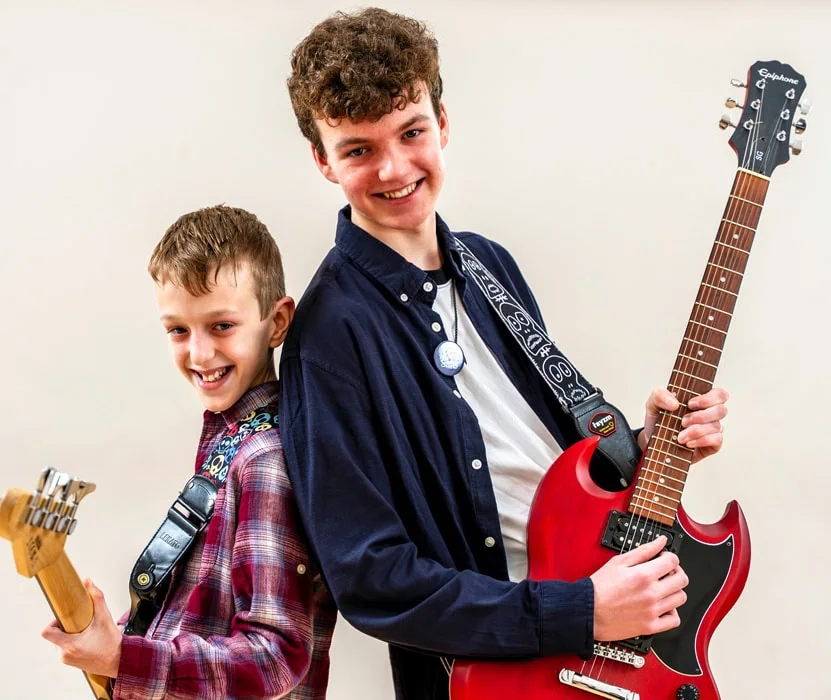
Riffs – Rock and Pop Workshop gives young musicians the chance to play, perform and create in a real band environment. Open to guitarists, bassists, drummers, keyboard players and singers from Grade 1 upwards, RIFFS offers monthly sessions across Shropshire led by experienced tutors.
Participants develop ensemble skills, stage presence and musical creativity while exploring styles from rock and pop to soul, funk and original songs – all in a friendly, professional and inspiring atmosphere.
Shropshire Youth Orchestra (SYO) offers young musicians the chance to develop their skills and perform exciting music in a friendly, inclusive setting. Open to orchestral players of Grade 3 and above, SYO welcomes woodwind, brass, string and percussion instrumentalists.
Weekly rehearsals are supportive and enjoyable, helping members build confidence, teamwork and musical expression while exploring styles from classical and film music to Latin, funk and contemporary pieces.
Stompers is the perfect orchestra for young beginners taking their first musical steps. Open to any instrument – from violin and ukulele to trumpet, piano or percussion – it welcomes players who can confidently play just five notes.
Led by friendly tutors, STOMPERS groups rehearse weekly in Shrewsbury, Wem, Cleobury Mortimer and Ludlow, exploring music from film and pop to classical favourites. It’s a fun, supportive way for children to gain confidence, make friends and enjoy their first orchestral experience.
World Folk Ensemble is a lively, inclusive group for string players of Grade 3 and above, exploring folk music from around the world. From Irish jigs and Scottish reels to Eastern European dances and Scandinavian melodies, members experience music that connects cultures and tells stories.
Each rehearsal is a celebration of rhythm, tradition and creativity, helping young musicians build skills in listening, improvisation and ensemble playing in a warm, supportive setting.
Joining an ensemble or group is a fantastic way for young people to grow as musicians and as individuals.
They learn to listen, work together, and support each other, skills that reach far beyond music.
Regular rehearsals build focus and teamwork, while concerts and festivals across Shropshire give pupils the thrill of performing and a real sense of achievement.
Playing in a group also creates lasting friendships and a strong sense of belonging, as pupils share the fun, energy, and joy of making music together.
Of course you may have questions that you would prefer to talk to us about.
Please call 01743 874145 to have a chat with our friendly team who can help guide you.
Joining one of our music groups, bands, or ensembles is an amazing way for young musicians to grow in confidence, make friends, and experience the excitement of performing together.
Whether your child plays an instrument, sings, or is just beginning to explore group music-making, there’s a place for them at Shropshire Music Service.
Here are answers to some of the most common questions about joining and taking part in our ensembles.
If your question isn’t listed here, our team will be happy to help – just visit our contact page for more details.
Shropshire Music Service offers a wide range of ensembles so every young musician can find the right fit – whatever their age, instrument, or musical taste.
For orchestral players, there are beginner and advanced ensembles. Stompers is ideal for any beginner instrumentalist who can confidently play five notes. Shropshire Youth Orchestra is perfect for more advanced players at grade 3 or above, where talented students perform challenging and exciting repertoire alongside experienced tutors.
For those who love contemporary music, Riffs is a popular rock and pop workshop for guitarists, drummers, keyboard players, bassists, and singers at Grade 1 and above – perfect for learning how to rehearse and perform in a real band.
For string players our World Folk Ensemble is an ideal group to join to explore traditional and modern music from around the globe.
Alongside these, we offer regular choral and instrumental workshops and festivals, giving every pupil a chance to develop their skills, perform regularly, and enjoy the shared experience of making music together.
Most ensembles are open access, meaning no formal exam grades are required: when children can play five notes confidently, show enthusiasm, commitment, and a willingness to learn, then they are ready to join our music groups. Some of our advanced groups, such as county orchestras, do require a minimum playing level (typically Grade 3 or above). If you’re unsure which group best suits your child, our tutors can offer guidance and suggest where they’ll feel most comfortable and challenged.
We want all pupils to find a group where they can thrive. Even beginners can join entry-level ensembles designed to build confidence and teamwork through simple, achievable pieces. These early experiences often spark a lifelong love of group performance.
Rehearsals are held in convenient locations across Shropshire, often after school or at weekends to fit around family schedules. Larger county groups rehearse centrally, while local ensembles meet in schools or community venues. Sessions usually take place weekly during term time, with occasional extra rehearsals before major concerts or festivals.
We aim to make participation as accessible as possible, providing clear timetables at the start of each term so families can plan ahead.
Our regular music groups are completely free-of-charge to all participants. Occasional workshops may have a modest participation fee, but these are kept as low as possible to ensure every child has the chance to join. Financial assistance may be available in certain cases. Any small contribution helps cover rehearsal spaces, sheet music, and performance costs. We never want cost to be a barrier – if there are concerns, we encourage families to talk to us in confidence so we can help.
Playing in an ensemble gives pupils experiences they simply can’t get in solo lessons. They learn to listen, blend, and respond to others, developing timing, awareness, and teamwork. It builds discipline, patience, and confidence – all while being enormous fun. Performing as part of a group also gives children a sense of pride and belonging.
Many pupils say ensemble rehearsals are the highlight of their week. The friendships they form, the laughter shared in rehearsals, and the thrill of performing together make every session special. Beyond music, these experiences teach collaboration, empathy, and focus – life skills that stay with them forever.